



Last updated: September 28, 2026
What AI citation tracking is
An AI answer has two layers: the prose, where your brand either appears or does not, and the source list, the links the model shows as footnotes or behind a sources toggle. Mention tracking reads the first. Citation tracking reads the second and records the URLs.
Table of Contents
The two move independently, and that catches people out. ChatGPT can recommend your product warmly while citing four review sites and none of your pages, which means it learned about you somewhere you do not control. It works the other way too: your documentation page is cited for a definition while the answer names a competitor as the thing to buy. On a mention-rate chart, both look identical. Our post on tracking sources and citations has the longer version.
A tool worth paying for here answers three questions.
- Which sources does the model cite for my prompts? The ranked list of domains and URLs under the answers you care about, per model, over time.
- Which of my URLs get cited? The specific page, for a specific prompt, in a specific engine. A yes or no on the domain gives you nothing to act on.
- Which third-party pages are doing the citing? Review roundups, Reddit threads, YouTube videos, publisher comparisons. These are usually most of the source list, and where a competitor picks up placement you never see.
What to look for in an AI citation tracking tool
Six things separate a citation layer worth paying for from a mentions dashboard with a sources tab.
- Per-URL capture. If a publisher has fourteen pages about your category and one is the page the model keeps quoting, a domain rollup hides the only fact you can act on.
- Honest coverage per model. ChatGPT, Perplexity, Google Gemini, Google AI Mode and Google AI Overviews all return something you can record as a source. Others do not: DeepSeek answers carry brand mentions and no source list at all, so a ten-engine badge means little until you know which of the ten produce citations.
- Historical retention. You eventually want to know when a comparison page replaced yours as the source. Only a tool that keeps every past answer with its links can tell you that; a current snapshot cannot.
- Competitor citation views. A competitor’s citation profile sits in every answer that names them, so it is as public as yours, and their source list is the placement list you would copy.
- Exports and an API. Citation rows get joined to other data more often than they get read on screen. CSV is the floor; a REST API or an MCP server removes the person from the loop.
- Somewhere to act. Recording that a Reddit thread is cited for 18 of your prompts is a finding. The tool earns its place when you can open that thread, see which competitors it names and route it to someone.
In a trial, two checks settle it quickly. Export the citation view: if it returns domains where the screen showed URLs, the URL was never stored. Then filter that view by a competitor instead of your own brand, which plenty of tools simply cannot do.
AI citation tracking tools compared
Prices are the ones each vendor published when we last checked. Where we could not verify how deep a tool’s citation reporting goes, the table says so.
| Tool | Entry price | Citation granularity | Engines at entry | Notable |
|---|---|---|---|---|
| LLM Pulse | EUR 49/mo, 50 prompts | Per URL, per prompt, per model, own and competitor | ChatGPT, Perplexity, Gemini, AI Mode, AI Overviews | Owned media sources, API, MCP, webhooks |
| Profound | USD 99/mo billed yearly | Not published | ChatGPT only | SOC 2 Type II and HIPAA, no API on self-serve |
| Otterly.AI | USD 29/mo, 15 prompts | Not published | ChatGPT, AI Overviews, Perplexity, Copilot | Daily cadence, AI Mode and Gemini cost extra |
| Ahrefs Brand Radar | EUR 119/mo, 5 tracked AI prompts | Cited pages and domains reported | AI Overviews, ChatGPT, Gemini, Perplexity, Copilot, AI Mode, Claude | Included from Lite; larger packages sold separately |
| Semrush SEO + AI Search | SEO from USD 139 monthly; Starter from USD 199 monthly | Cited domains and page URLs | ChatGPT, Google AI, Gemini, Perplexity | Starter tracks 50 prompts daily |
| SE Ranking / SE Visible | USD 89/mo add-on, USD 99/mo standalone | Not published | Five on SE Visible | 1,000 prompts at USD 355/mo |
| Scrunch AI | USD 250/mo annually, 350 prompts | Not published | Seven AI platforms | Three users and a 7-day trial on Starter |
| Searchable | USD 125/mo, 100 prompts | Not published | Three, others are paid add-ons | Unlimited projects, regions and seats |
| Rankability | Not publicly listed | Not published | Not published | Current pricing page redirects to demo booking |
| Siftly | Free for 10 prompts, USD 79/mo for 50 | Not published | Two on Starter | Separate Shopping product from USD 79/mo |
The ten tools
1. LLM Pulse
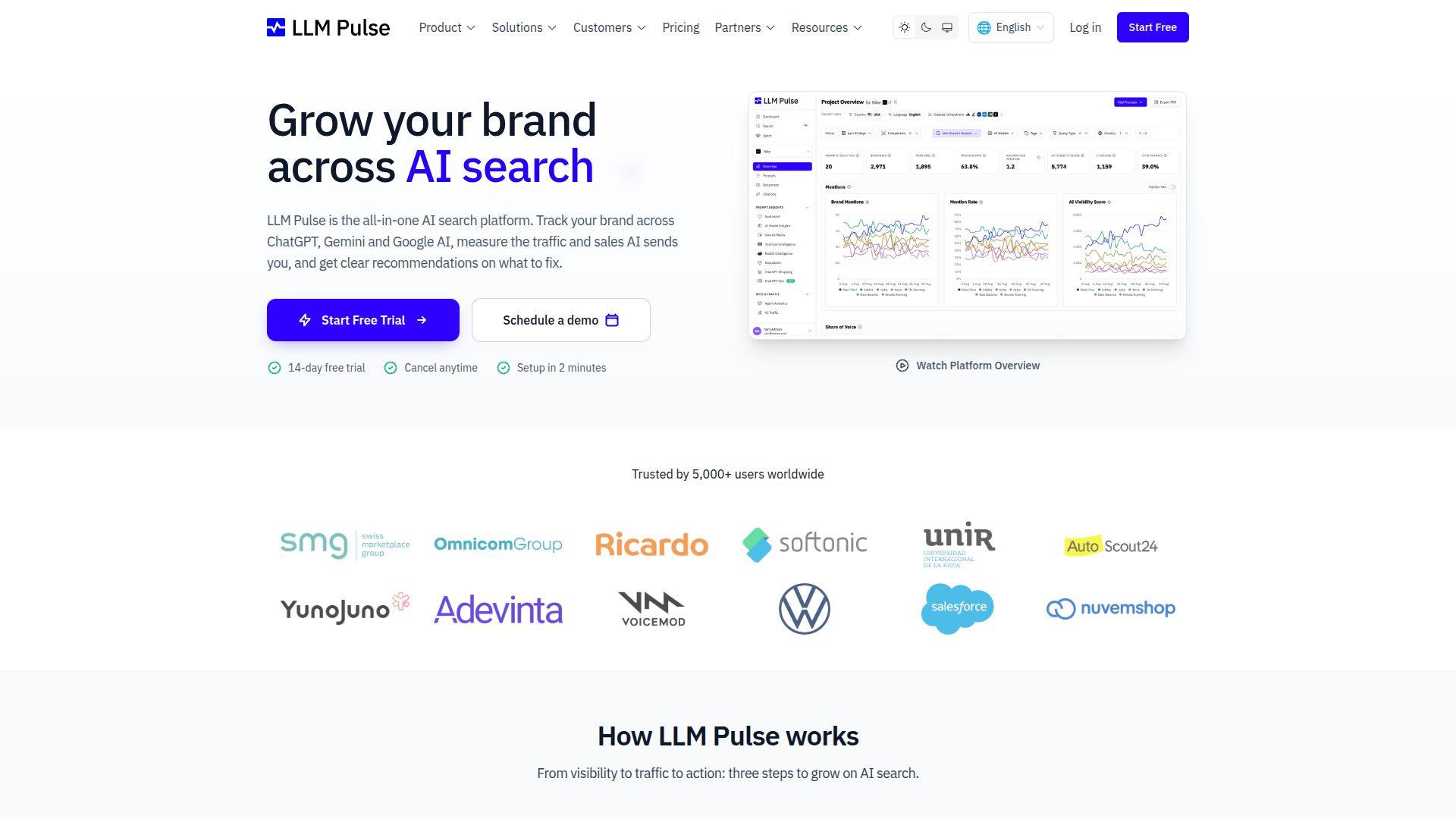
LLM Pulse stores citations as their own data type, with their own screens and their own exports. Every tracked answer is kept with its full source list, and each cited URL carries its own record: the prompt, the model, the country and language, the date, and whether that answer mentioned you or a competitor. You can start from a domain and see every prompt it wins, or from one of your pages and see everything it has been cited for.
- Cited URL detail down to the page, with the same view available for competitor citations.
- Owned media tracking for the third-party surfaces that dominate source lists, including Reddit Intelligence and YouTube.
- CSV and Excel exports, PDF reports, a REST API, an MCP server, and webhooks firing on citation.created, so a new citation can open a ticket with nobody watching a dashboard.
- Recommendations and GEO Writer on the same data. More on the citation and source analysis page.
Watch out: there is no free plan and the trial asks for a card. Claude, Microsoft Copilot, Grok, DeepSeek, Naver AI Briefing, Baidu AI and Meta AI are self-serve paid add-ons on paid accounts, while Alexa for Shopping is available through Talk to sales. DeepSeek returns brand mentions with no sources, so adding it will not grow your citation dataset. The citation screens also carry enough filters to need a proper first session.
Pricing: EUR 49/mo for 50 prompts, EUR 99 for 150, EUR 299 for 450, EUR 599 for 1,200, EUR 1,199 for 2,400. Prompts run per week per model by default, so 50 prompts across five models is over 1,000 stored answers a month. Details on pricing.
2. Profound
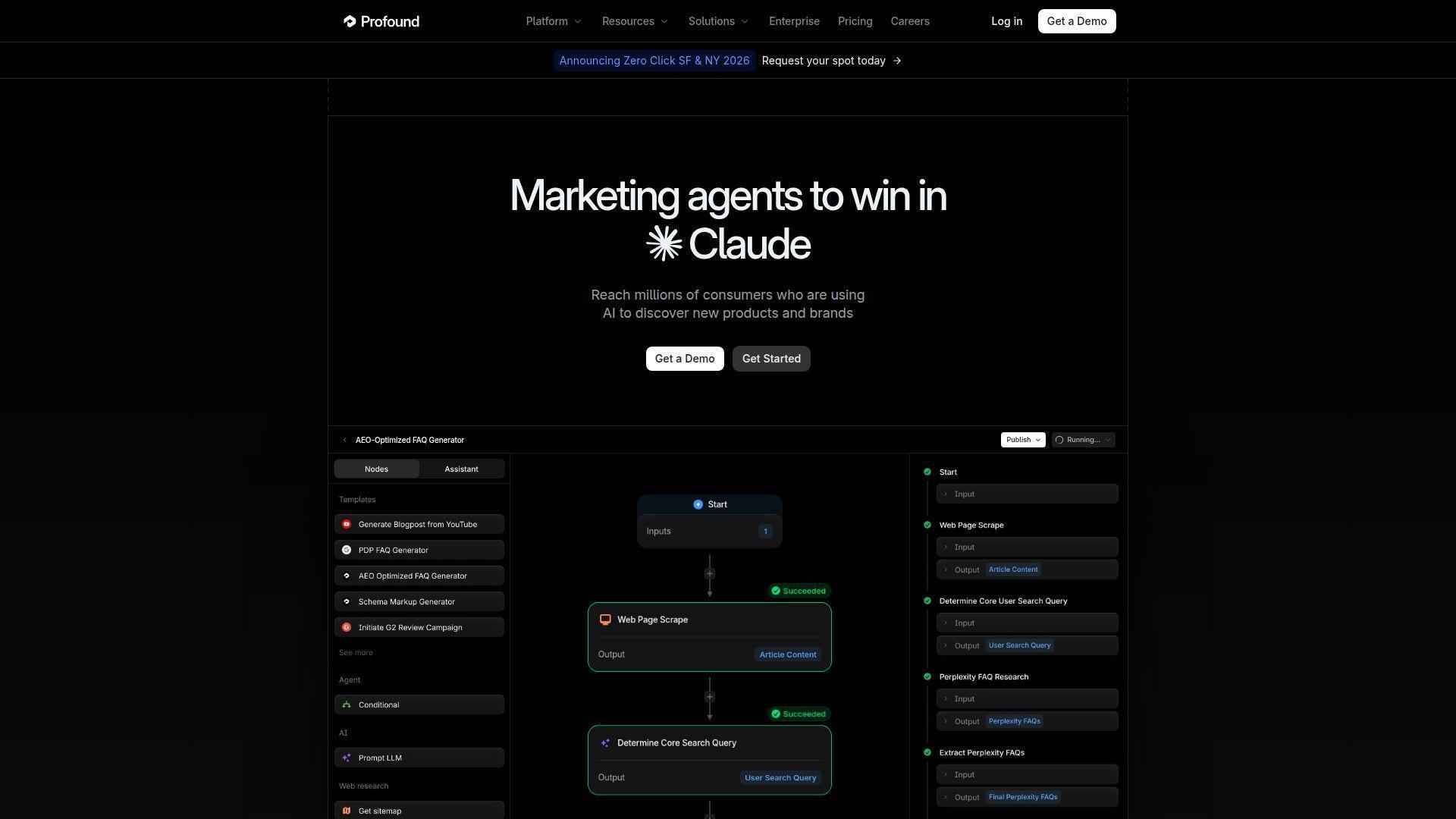
Profound turns up on more enterprise shortlists than anything else here, mostly on security posture: SOC 2 Type II and HIPAA are what procurement teams push for. Billed yearly, Starter is USD 99/mo for 50 prompts and 1,500 responses; Growth is USD 399/mo for 100 prompts, ChatGPT plus Perplexity plus AI Overviews, 9,000 responses and three seats.
Watch out: self-serve is capped at one language and one region with no API, which rules it out if your citation set differs by market. We have no verified description of how granular its source reporting is, and Starter covers ChatGPT only, so cross-model comparison is impossible at that price.
3. Otterly.AI
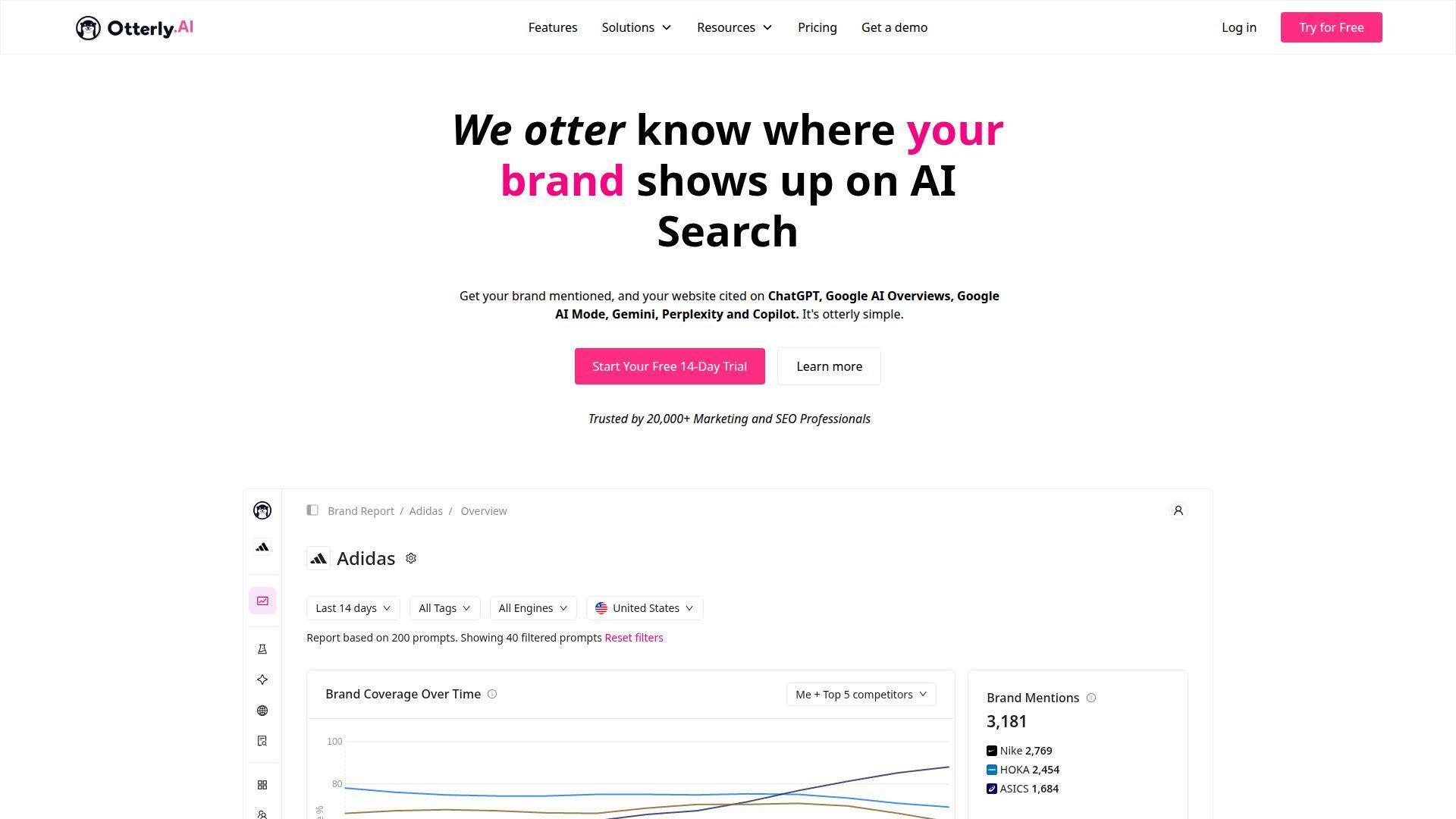
Otterly is the cheapest genuine entry point here, and it runs daily at every level. That matters, because a weekly sample smooths over the days a source list churns. Lite is USD 29/mo for 15 prompts, Standard USD 189 for 100 and Premium USD 489 for 400, across ChatGPT, AI Overviews, Perplexity and Copilot.
Watch out: 15 prompts is a thin sample of a category, and Google AI Mode, Gemini and Claude sit outside those four engines as paid add-ons. There is no 1,000-prompt tier, so a large catalogue stops at 400.
4. Ahrefs Brand Radar
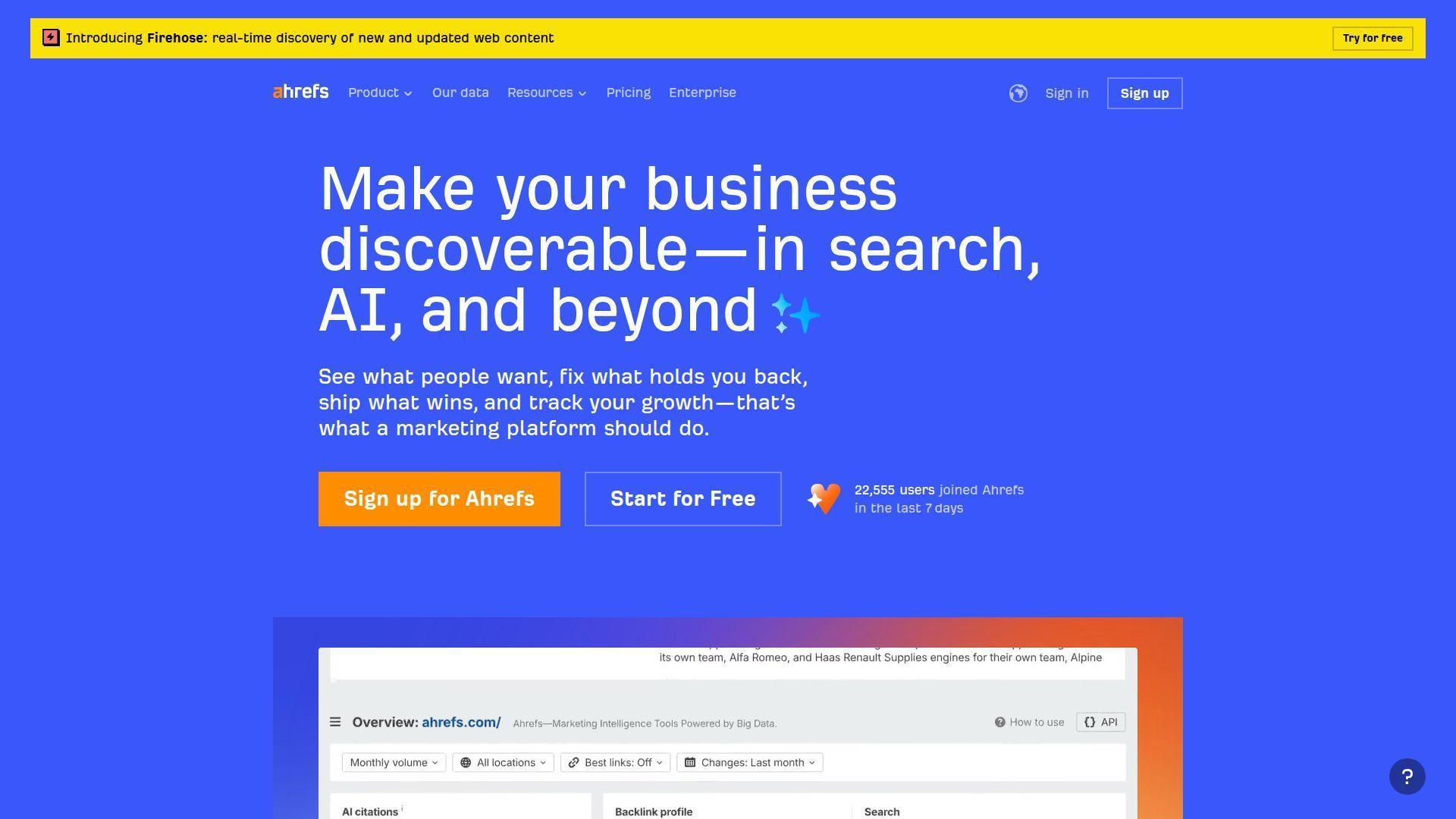
Ahrefs names citations in its published reporting. Brand Radar covers AI Overviews, ChatGPT, Gemini, Perplexity, Copilot, AI Mode and Claude, reporting mentions, citations, share of voice and estimated impressions. Custom prompts can run daily. Lite and higher Ahrefs plans include a small prompt allowance, which can suit teams already paying for the wider suite.
Watch out: Lite includes 5 daily prompts, Standard 10 and Advanced 20. Ahrefs lists additional prompt packages at USD 50, USD 100 and USD 250 per month, while its separate AI visibility index costs USD 199 per platform or USD 699 for all platforms. Check the currency and taxes shown for your location before comparing totals.
5. Semrush SEO + AI Search
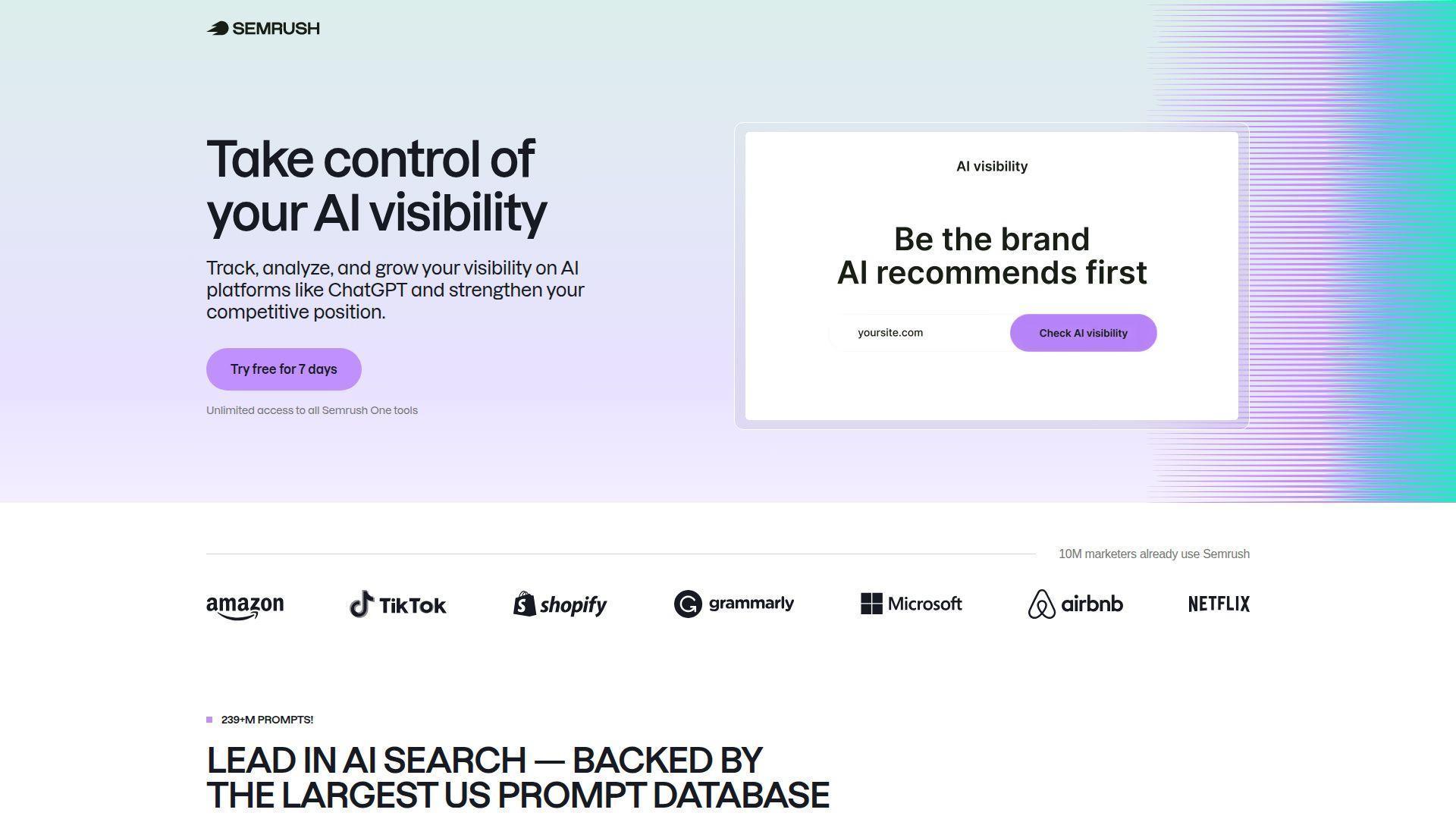
Semrush’s Starter plan runs 50 prompts daily across ChatGPT, Google AI, Gemini, and Perplexity, with sentiment, share of voice, citations, and prompt research. Citation data sits alongside the keyword data existing Semrush teams already use.
Watch out: AI visibility now sits inside the broader SEO + AI Search product. SEO starts at USD 139 monthly, while Starter costs USD 199 monthly and tracks 50 prompts daily. Semrush documents the cited domains and page URLs behind tracked prompts.
6. SE Ranking / SE Visible
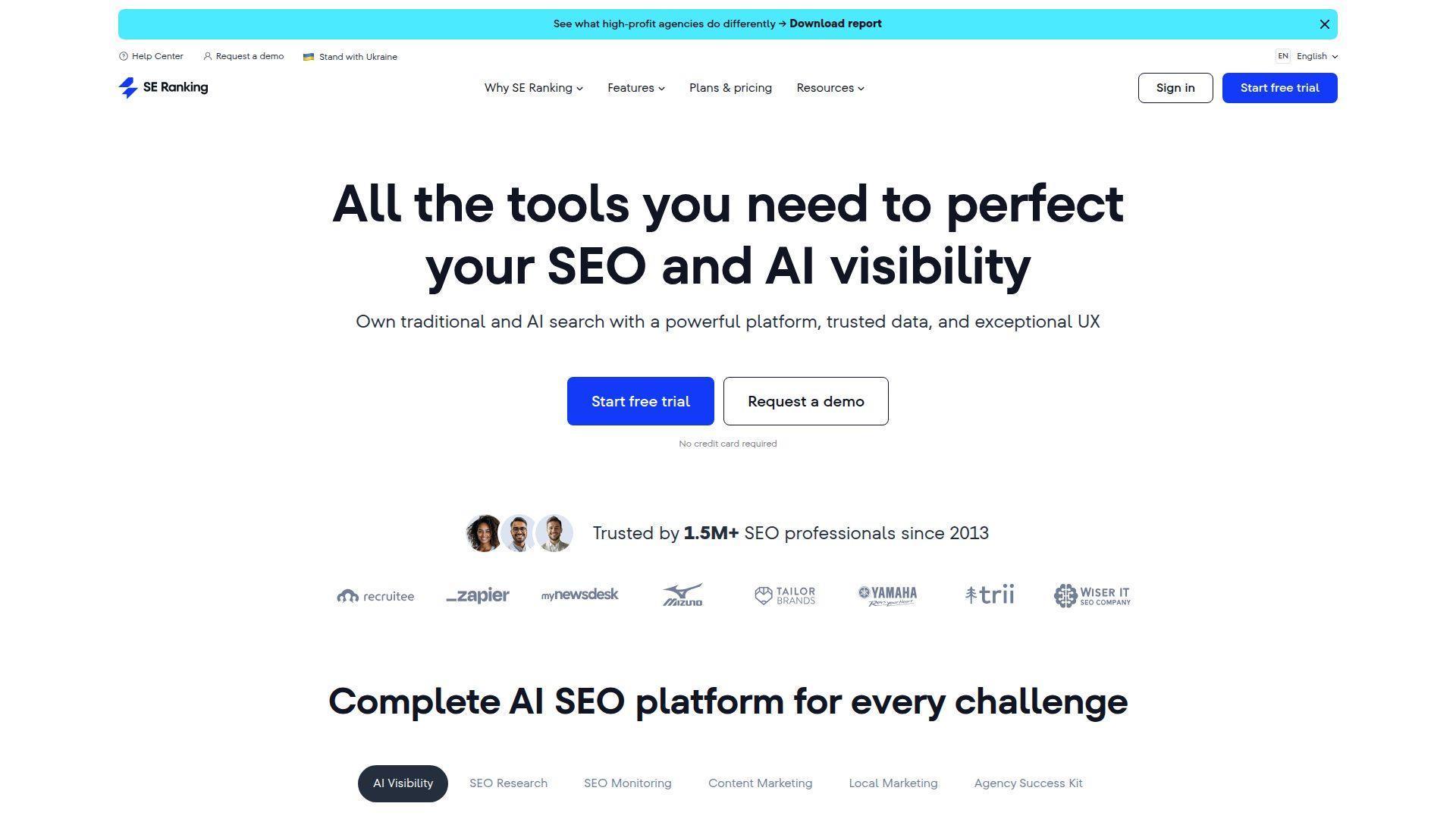
Per dollar, this is the most prompt volume on the list. Standalone SE Visible runs 200 prompts for USD 99/mo, 450 for USD 189 and 1,000 for USD 355 across five engines, enough to get past your twenty best prompts and into the long tail, which is where unfamiliar citing domains surface. Inside SE Ranking itself, Core is USD 129/mo for 100 daily prompts and the AI Search add-on is USD 89, 179 or 345 per month.
Watch out: citation granularity is not published, and there are two overlapping ways to buy similar capability at different prices, so working out which you need takes a call. The 10-day trial is short if your prompts run weekly.
7. Scrunch AI
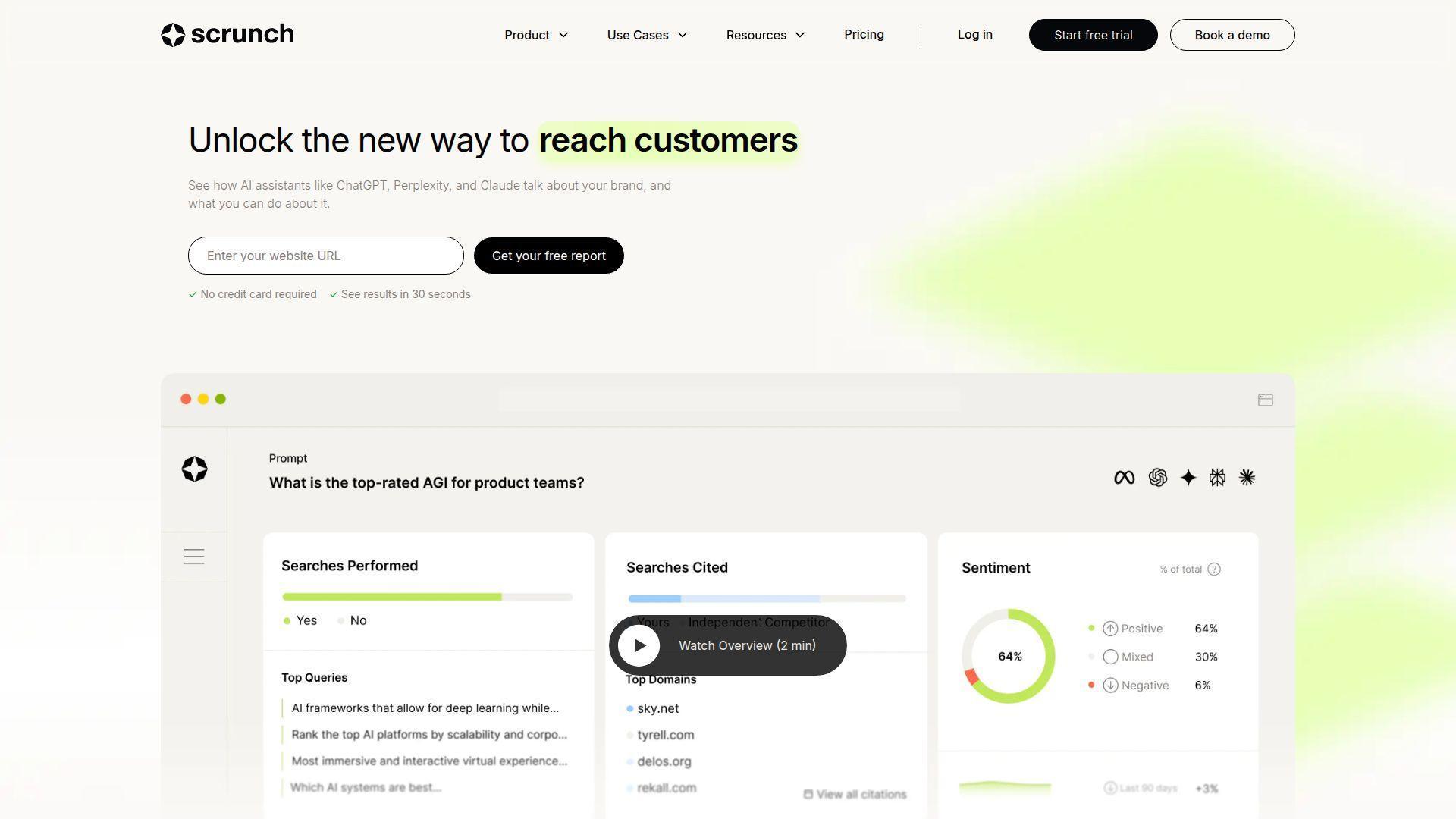
Scrunch pairs prompt tracking with page audits, which suits citation work: the question after “we are not being cited” is usually “what is wrong with the page”. Starter costs USD 250 per month billed annually or USD 300 month to month for 350 custom prompts, seven AI platforms, and three users.
Watch out: Starter remains one of the higher self-serve entry prices in this list. We have no verified detail on citation granularity, and the trial lasts seven days.
8. Searchable
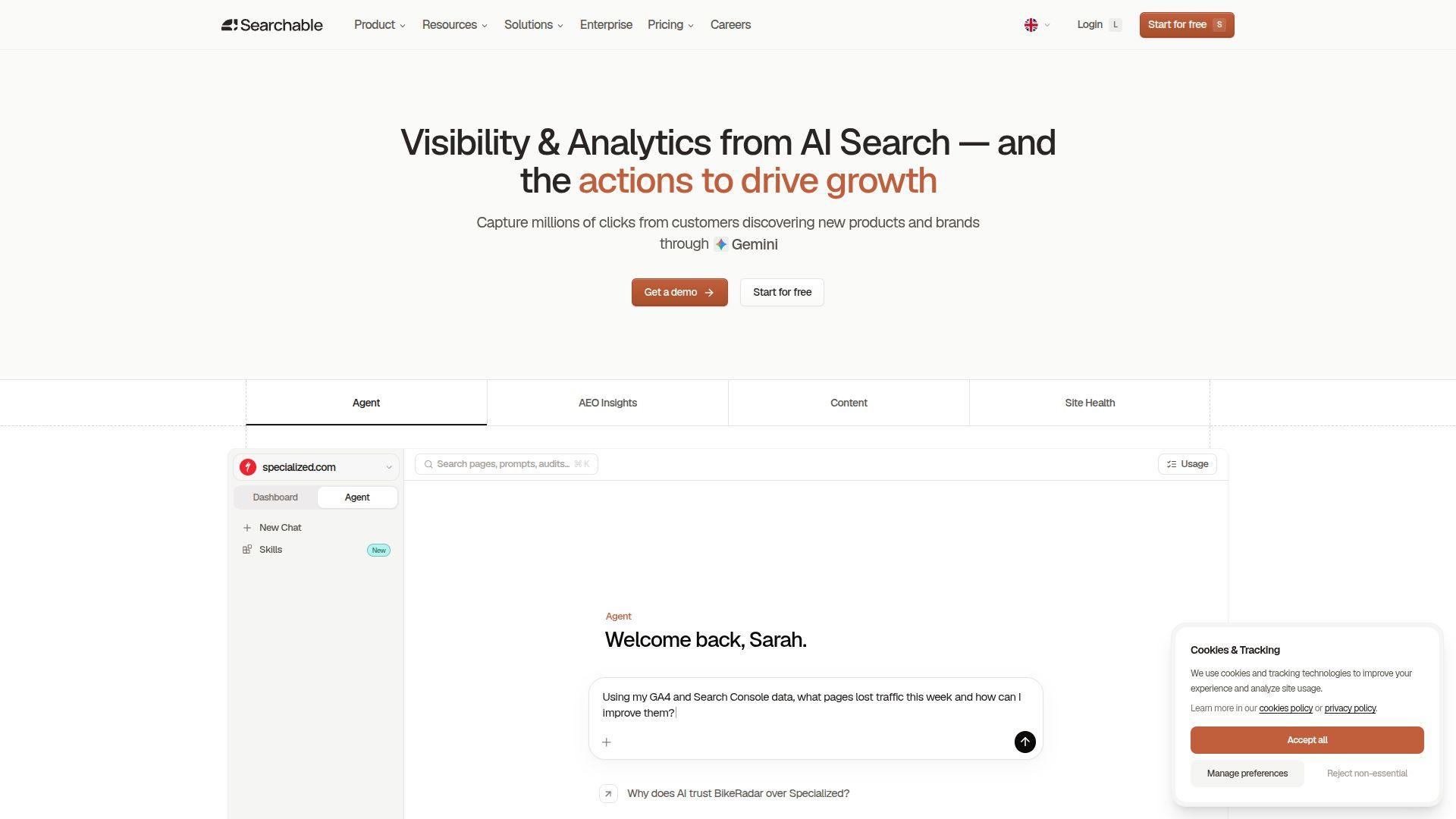
Every Searchable tier comes with unlimited projects, regions and seats, from Pro at USD 125/mo for 100 prompts up to Enterprise at USD 999 for 1,250. Regions matter more for citations than for mentions: the sources an engine reaches for in Germany are often not the ones it reaches for in the US, so per-region pricing pushes you into measuring one market and assuming the rest.
Watch out: base plans track three engines and the rest are paid add-ons, so compare configured prices rather than the sticker. Citation granularity is not published, though the 14-day trial, the most generous here, gives you time to check it.
9. Rankability
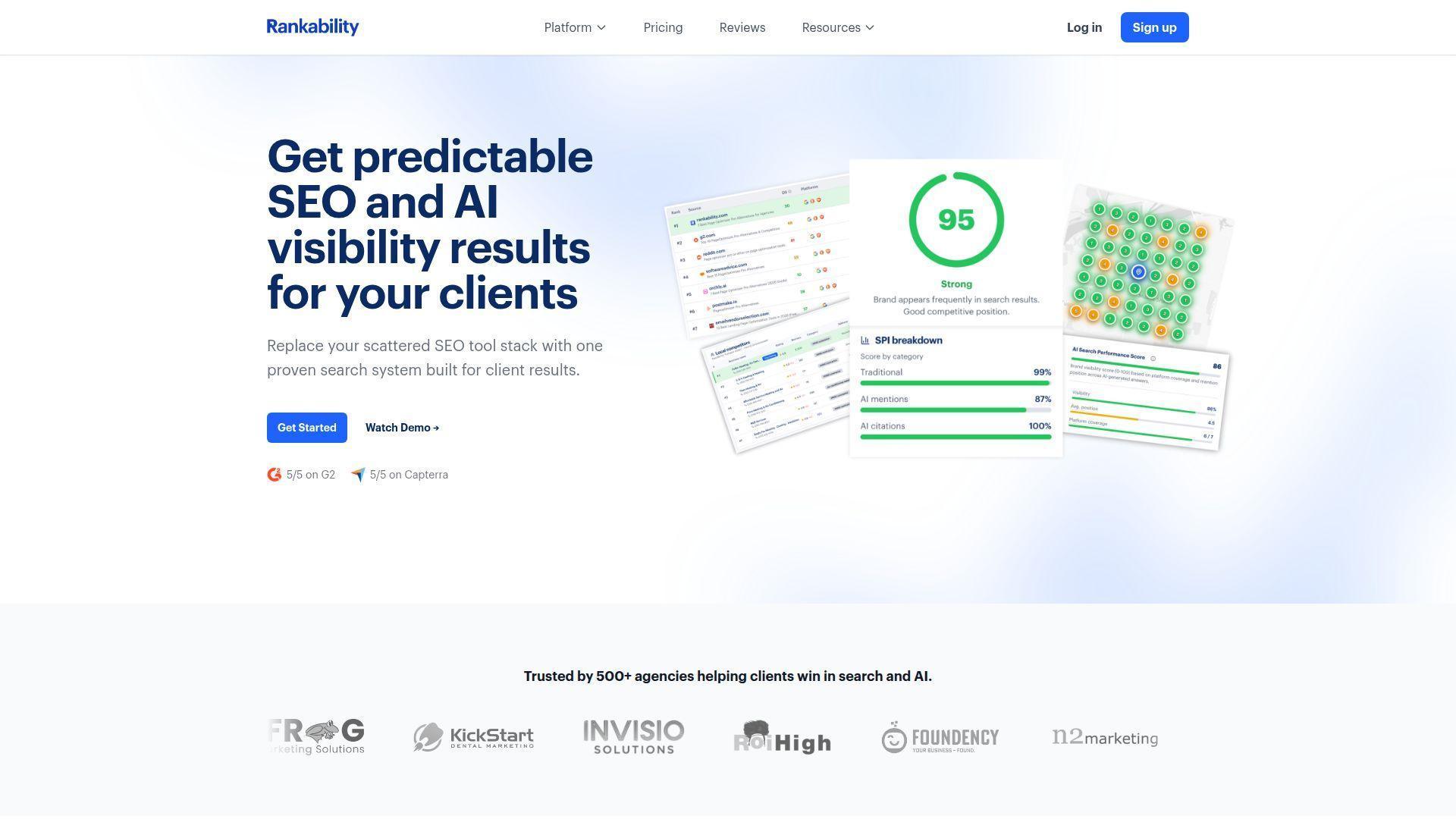
Rankability’s former public plans listed API and hosted MCP access. Its pricing URL now redirects to demo booking, and its current About page says plans and terms are discussed by demo. Current prices, prompt allowances, and plan inclusions are not public.
Watch out: Rankability does not currently publish prices, prompt allowances, engine coverage, or citation granularity. Confirm those points during the demo.
10. Siftly
Siftly has a free tier with 10 prompts, which is a real way to see the shape of the data before spending anything. Paid Answers plans are USD 79/mo for 50 prompts, USD 249 for 100 and USD 599 for 150, with 2, 3, 5 and 8 engines respectively.
Watch out: engine coverage is tied to tier, so the cheap plans give a partial view of a question that is specifically about differences between engines. Citation granularity is not published, and the prompt ceiling is 150 at USD 599/mo, the lowest here.
What to do once you know who gets cited
A month of citation tracking gives you a ranked list of domains and URLs, most of them not yours. That list is where the work starts.
Earn placement on the sources already winning. Take the top twenty citing domains for your non-brand prompts. Some will be review sites you can get listed on, or where an outdated entry needs correcting. Publisher roundups take a pitch like any other outlet. On Reddit threads and YouTube videos, the honest move is participating rather than planting. Work down by frequency: a domain cited for 30 prompts beats five cited once.
Make your own pages quotable. When your URL does get cited, look at what the model pulled. It is usually a short self-contained passage that answers a question without needing the paragraph before it. Pages built as a long argument get cited less than pages that state a definition, give a number with a date attached, and move on. The specifics are in how to get cited by ChatGPT.
Watch which domains move. Record a baseline of citation share by domain and re-read it monthly. Your own number moving is rarely the signal. Look for a domain arriving in the top ten that was not there before, or a page of yours dropping out of prompts it used to own. For the wider view beyond citations, our roundup of the best AI visibility tools covers the same market on mentions, share of voice and sentiment.
FAQ
Is a citation the same as a mention?
No. A mention is your brand name appearing in the answer text. A citation is a link shown as a source. The common case for a smaller brand is being mentioned often while never being cited, which means the model describes you using other people’s pages.
Which AI models actually show their sources?
ChatGPT, Perplexity, Google Gemini, Google AI Mode and Google AI Overviews all surface links you can record. Some models return an answer with no source list: DeepSeek is the clearest example, so its answers give you brand mentions and nothing on the citation side. When a vendor advertises an engine count, ask which of them return citations.
Can Google Search Console tell me whether AI cites my site?
Partly, and only for Google’s own features. The Generative AI performance report reports impressions only, meaning how many times links to your site were shown in a generative AI feature on Google Search, covering AI Overviews and AI Mode. There are no clicks, no CTR and no position, the dimensions are pages, countries, dates and devices, and the usual 1,000-row limit applies. It says nothing about ChatGPT or Perplexity.
Do I need a separate tool for competitor citations?
You should not. Competitor citations come from the same answers as yours, since any answer naming a competitor also lists the sources behind it. A tool that stores full answers reports both; one that stores only your matches cannot tell you where a competitor’s placement came from.
How many prompts before the citation data is useful?
There is no universal prompt count. A weekly prompt produces about 4.33 scheduled answers per model per month, so 50 prompts across five models produce more than 1,000 answers a month. Keep the denominator visible and use your own history to see when recurring domains separate from one-off citations.
Do citations change often enough to justify tracking them?
Source lists can change between runs. A searched response may use one or more rewritten queries, and the selected results can vary. A single snapshot cannot tell you whether a domain is consistently cited.